Monday, September 4, 2017

Did you know? Some interesting information you might not be aware of regarding shunts and hydrocephalus


I. Highs and lows

A fellow hydrocephalic posted on Facebook that if there is a storm approaching, she tends to become very lethargic. That made me curious, so I did some research and hydrocephalus (particularly if the person is shunted) tends to be effected by changes in the weather. According to published research, fluctuations in barometric pressure can affect people who suffer from headaches such as those of us with hydrocephalus. It is interesting to note that the study particularly addressed this phenomenon as it applies to migraine sufferers, however, it stands to reason that if it affects someone who suffers from migraines, it would also affect someone with hydrocephalus. According to the National Hydrocephalus Foundation, the majority of persons with hydrocephalus - and who are shunted - will be affected periodically by an approaching weather system (particularly if it's an area of low pressure). Symptoms accompanying this "feeling out of sorts" include having no energy as well as being unable to concentrate. If it develops into a full-blown headache, the best remedy is to find a dark, comfortable place and ride out the storm. The good news is, once the area of low-pressure causing your distress is directly overhead, symptoms will cease almost immediately.

II. Recovery from surgery

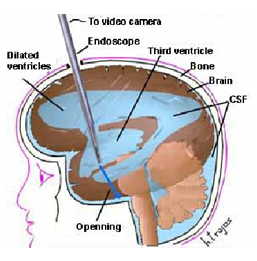
People who have had an endoscopic third ventriculostomy (ETV) or a shunt implant usually have a four (4) to six (6) week recovery period before they begin to feel like themselves again. The biggest thing patients experience is getting their strength back and the best way to speed up is to take short walks - sound down the block and back - and gradually increase your distance as your stamina improves. Perhaps equally as important as exercising your body post surgery, is to exercise your mind. For those who enjoy playing cards, medical experts say that a game of solitaire, bridge, or even poker will do wonders to improve short-term memory.


For additional information: Patient-to-patient: tricks of the trade 

Saturday, September 2, 2017

Normal pressure hydrocephalus: the "grown-up"version of an under-recognized problem (Part 3 of 3)


In part two of "Normal pressure hydrocephalus: the "grown-up" version of an under-recognized problem" we looked at what causes 
 normal pressure hydrocephalus or NPH and how it is diagnosed. In part three we will explore what treatment options are available.

V. What treatment options are available?

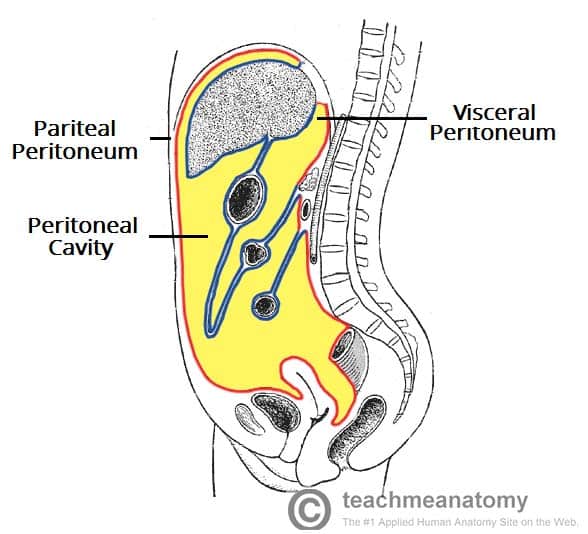
Just like its counterparts acquired hydrocephalus and congenital hydrocephalus,the only available treatment is surgical implant of a shunt (pictured at right). Most shunt systems consist of three (3) components: 1) A collection catheter (the ventricular catheter in the picture at right); 2) A valve mechanism that controls how much CSF flows through the system; and 3) An exit catheter (the peritoneal catheter in the picture at right) to drain the CSF to another part of the body where it can be absorbed -- in this instance, the peritoneal cavity in the abdomen. In most cases of NPH, the most common shunt implant is a peritoneal shunt and the most commonly used system is the ventriculoperitoneal system which goes from the cerebral ventricle to the peritoneum. Alternatively, the drainage catheter can also be placed in a vein that leads to the heart known as a ventriculoatrial or VA shunt. With either system, once the implant surgery is completed, all components of the shunt system are entirely under the skin.

The shunt valve is a critical component of the system and the design that has been in use is the differential pressure (DP) valve. It operates by the valve opening when the (fluid) pressure at the inlet of the valve exceeds the (fluid) pressure at the outlet by a preset amount.  In adults with hydrocephalus, the valve is sometimes overwhelmed by the effects of gravity, leading to the drainage of too much CSF. The common name for this over-draining is siphoning. In some cases the patient is asymptomatic while others experience headache or nausea while in an upright position. In extreme cases it can also result in so much CSF being drained that it causes subdural hematoma. To counteract this problem, valve mechanisms have been designed that incorporate both anti-siphoning and gravity-compensating mechanisms. The anti-siphoning mechanism component is triggered by a change in the CSF pressure while the gravity-compensating mechanism is triggered by postural changes.

For additional information:

NPH booklet

Friday, September 1, 2017

When shunts go bad: complications experienced with shunt systems


X-ray images of a 20-month old hydrocephalus patient
experiencing shunt malfunction. As a result, the child
experienced sutural diastasis.
Hydrocephalus can be treated with a shunt system, however, this treatment often results in complications. Research has shown that an estimated fifty percent (50%) of shunts in pediatric patients fail within two (2) years often requiring repeated neurosurgery. The most commonly seen of these complications are: infection and malfunction (emphasis added).

I. Common complications

Shunt malfunction

A shunt malfunction involves either a partial or complete blockage (of the tubing) causing the shunt to function intermittently or not at all. As a result of the blockage cerebrospinal fluid (CF) accumulates and, as illustrated in the image at right, can result in diastasis where a fracture line traverses one (or more) sutures of the skull resulting in a widening of the suture.

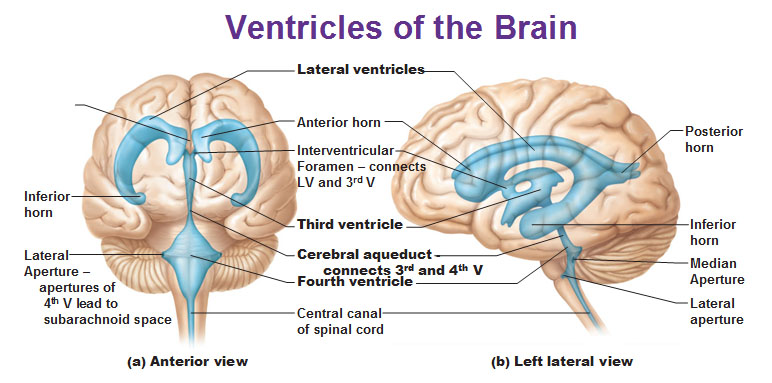
The blockage can result from blood cells, tissue, or bacteria and occur in any part of the shunt. Both the ventricular catheter (the portion of the system placed in the brain) and the distal catheter (the portion of the system that drains CSF to other part of the body) can become blocked by tissue from the choroid plexus (which produces CSF) or ventricles. In adults, the blockage occurs most commonly in the distal portion of the shunt system.

Shunts - by their very nature - are very durable, but their components can become disengaged or fractured as a result of wear or as a child grows. In rare cases valve failure can occur due to a mechanical malfunction.

Shunt infection


Typically a shunt infection occurs because of the person's own bacteria and isn't acquired from someone else who is ill. The most common infection to occur in a shunt system is Staphylococcus Epidermidis which is know for attacking indwelling medical devices such as a shunt. which is normally found both on the surface of a person's skin as well as in the sweat glands. Normally a shunt infection occurs with a one (1) to three (3) month window following shunt implant surgery, but has been known to occur up to six (6) months following the surgery. Research has shown that patients receiving a ventriculoperitoneal (VP) shunt are statistically at the highest risk for developing a shunt infection secondary to abdominal infection.

II. Less common complications

Over drainage

CT scan shows hydroceplaus
patient with SVS.
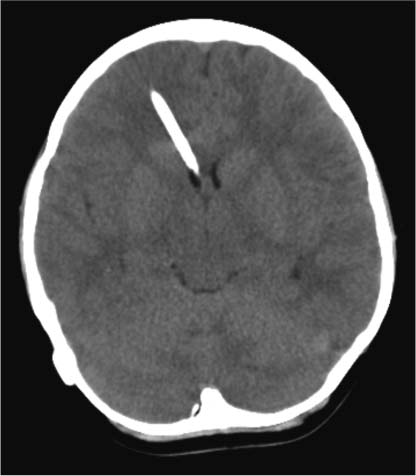
This complication causes ventricles to decrease in size causing slit-like ventricles due to the brain and its meninges pulling away from the skull. Known as slit-ventricle syndrome or SVS for short (pictured at right) , it is most commonly seen in young adults (ages 20 - 39) who were shunted as a child. One symptom that is unique to SVS is the severe intermittent headache that can be relieved by lying down. In order to confirm a diagnosis of SVS, imaging must be completed that shows the smaller size ventricles.

Under drainage

Results in the exact opposite problem as over drainage and that is an increase in the size of ventricles as well as the inability to relieve the symptoms associated with the hydrocephalus. In some cases, to restore a balanced flow of CSF, it might be necessary to implant a new shunt with a more accurate pressure valve. In patient's with a programmable shunt, it is possible to restore a balanced flow by simply re-setting the opening pressure.

Subdural hematoma
Control unit of a programmable shunt.

This is generally seen in older adults (ages 60 - 80) and is caused when blood from a broken vessel in the meninges becomes trapped between the skull and the brain. Surgical intervention is required to correct this complication.

Multiloculated hydrocephalus

This condition occurs when a located (isolated) compartment in the ventricular system becomes enlarged and not in communication with the normal ventricle. There a numerous documented causes including: neonatal intraventricular hemorrhage, trauma that occurs at birth, ventriculitis (inflammation of the ventricles), or shunt-related infection. Typically it can be difficult to identify due to the fact that it is most often seen in infants and children who might be neurologically compromised.

 
For additional information: Complications of shunt systems

Wednesday, August 30, 2017

Don't laugh at me


Don't laugh at me (Mark Wills)

Dedicated to my long-time friend Shirley Forry for providing me with the inspiration for this blog.

I. The emotional toll of hydrocephalus

As I prepare to leave for Washington, D.C. on September 11th, I have been challenged by the Hydrocephalus Association (HA) to update my hydrocephalus education and awareness blog as often as possible. Having survived the condition unshunted for 53+ years, I have no shortage of information that I can share, but I wanted to do at least one blog that looks at the emotional toll it takes on those affected by the condition. For most of us - myself included - that would be the cruel and hurtful remarks made by some people. Why is this? Simply put, we live in a society that promotes a narrow standard for attractiveness. Take the images at the top-right and mid-left side of this blog. Most people (especially other children) would look at the image of the me and go "eww". By comparison, the would look at the image of the "normal child" and say nothing.  Why is this? According to one author it's because "Digitally altered faces and bodies - beautiful, yet unrealistic - become imprinted in our minds as normative. Anyone outside the bell curve is a potential victim of bullying".

II. How do people with hydrocephalus look?

Perhaps the most noticeable characteristic of people with hydrocephalus (or, at least, those without a shunt) is a larger than normal skull. Take my head for example, it is 9 7/8 inches in circumference. Over the years - I am 53 now - I have been made fun of, teased, and even told that I was "evil" because of how my head looks. The sad part is that it doesn't look any different than an "average" head, just larger. In addition to a larger-than-normal head, many children with hydrocephalus also suffer from "sun-setting" eyes. This condition involves an upward gaze paresis (weakness) while the eye itself appears driven down. It occurs in approximately forty percent (40%) of children with obstructive hydrocephalus and thirteen percent (13%) of children with shunt dysfunction. Although it doesn't have a direct correlation, many people have seen my head and assume that I am developmentally delayed (I will not use the "R" word). According to HA, while developmental disabilities are a possibility, the more frequent problem is the development of social skills -- something I have never had a problem with.

III. Conclusion

What can be done for what amounts to bullying? Parents need to teach their children that it is imperative that they treat ALL people with both respect and kindness. They should learn that so-called norms depend upon context and that they will vary from one family to another and, on a larger scale, from one culture to another and ARE NOT based on the air-brushed ideals propagated by the media. Even more importantly it is incumbent upon us, as adults, to remind children that human beings everywhere are interesting and memorable because of - not in spite of - their unique real features.

For additional information: About hydrocephalus, Social skill development in children with hydrocephalus, Sunset eye sign  Teased about your looks? Bullying that goes under the radar

Sunday, August 27, 2017

Does it hurt? Hydrocephalus and the headaches associated with it (Part 2 of 2)


III. Why are hydrocephalus-related headaches difficult to diagnose and treat

According to Dr. Rick Abbott (Beth Israel Hospital), Dr. Fred Epstein, and Dr. Jeffrey H. Wisoff (New York University Medical Center) the difficulty in diagnosing and treating headaches associated with hydrocephalus is due to the fact that, in many cases, there has been no change in ventricular size and the headache(s) are more chronic, non-progressive nature. This can be the result of intracranial hypotension (negative pressure within the brain cavity often seen following a shunt implant) or intracranial hypertension (positive (or elevated pressure within the brain cavity). In such cases, medical professionals recommend the use of Intracranial pressure (ICP) monitoring where the patient is hospitalized for 24 - 48 hours and the ICP is continuously monitored. During this time he/she is alert and active so that the pressure(s) recorded is relative to both body position as well as activity. If pressure changes can be correlated with the patient's symptomatology, the shunt can be revised to either a higher or lower pressure valve.

IV. Conclusion

As I have stated in previous blogs, hydrocephalus is not a disease (emphasis added), it is caused by the brain reacting to a blockage. Currently placement of a shunt device is the only way to control a blockage. It should be noted, however, that approximately fifty percent (50%) of those treated with a shunt will require a revision or revisions during their lifetime.

Normal pressure hydrocephalus: the "grown-up"version of an under-recognized problem (Part 2 of 3)


In part one of "Normal pressure hydrocephalus: the "grown-up" version of an under-recognized problem" we looked at what normal pressure hydrocephalus or NPH is and what symptoms are experienced. In part two, we will look at what causes it, how it is diagnosed, and what treatment options are available.

III. What causes normal pressure hydrocephalus?
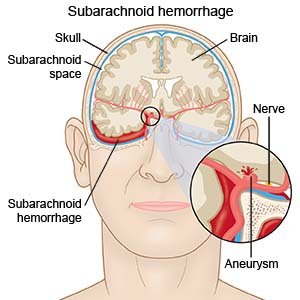
In the majority of normal pressure hydrocephalus (NPH) cases are classified as idiopathic meaning that it occurs spontaneously or that the exact cause is unknown. It should be noted, however, that there are known causes for NPH including: head injury, cranial surgery, subarachnoid hemorrhage, tumor, or cyst. Additionally, it can result from subdural hematoma, bleeding that occurs during surgery, or meningitis. It is interesting to note that all of the causes outlined above can predispose the patient to inflammation (which affect the cerebrospinal fluid [CSF] pathways) which impedes the CSF flow.

IV. How is NPH diagnosed?

In many cases, it is often the affected person or close family member who first brings the symptoms of NPH to the attention of a doctor. Additionally, there have been cases where the enlarged ventricles have been found on a brain image (such as a CT scan) that is performed for a totally different reason. If a physician has reason to suspect his/her patient has NPH, the doctor can order a variety of test to confirm this diagnosis.

Once NPH is suspected by the affected person's physician, it is imperative that a neurologist, neurosurgeon, or neuropsychologist be brought on board. Their involvement from the diagnosis stage onward is helpful not only from the standpoint of interpreting test results, but also in discussing the surgical option (if indicated), potential side effects and follow-up care.

As the diagnostic process moves forward, the decision to order a specific test might hinge on the given clinical situation. These might include, but are not limited to:

Clinical exam to evaluate symptoms consists of an interview (with the patient and their family) and/or a physical/neurological exam. (Hyperlink goes to a YouTube video.)

It is important to note the presence of the Hakim triad of symptoms is not necessary to confirm a diagnosis of NPH. The medical team will consider both the pattern and severity of impairments (combined with the results of other tests outlined below) to differentiate NPH from other possible outcomes.

CSF tests to predict shunt responsiveness and/or determine shunt pressure include lumbar puncture ("spinal tap"), external lumbar drainage, measurement of CSF outflow resistance, intracranial pressure (ICP) monitoring, and isotopic cisternography (pictured at left).

Lumbar puncture allows for an estimation of both the CSF pressure as well as analysis of the fluid. Performed under a local anesthetic, a thin needle is passed into the spinal fluid space of the lower back. The doctor then removes up to one (1) cubic centimeter (cc) of CSF are removed to see if a reduction in CSF volume relieves symptoms being experienced by the patient.

External lumbar drainage (also known as continuous lumbar drainage) is a variation of the lumbar puncture where a flexible catheter is left in place to facilitate drainage of the CSF. It allows for either continuous or intermittent drainage of CSF over several days to emulate the effect a shunt would have. It also allows for a more accurate reading of CSF pressure as opposed to the "moment in time" measurement provided by the lumbar puncture.

For intracranial pressure (ICP) monitoring or spinal pressure monitoring a small pressure monitor is inserted through the skull into one of three places: 1) The brain itself; 2) The ventricles of the brain; or 3) The lumbar region to monitor ICP. It is utilized to detect an abnormal pattern of pressure waves as well as either low or high pressure. The results from this testing can be utilized to select an initial pressure setting if a shunt is being implanted.

Isotopic cisternography is no longer frequently used because a "positive" cisternography result does not reliably predict whether the patient will respond to implant of a shunt and the (cisternography) results are often ambiguous.


For additional information: NPH booklet

Friday, August 25, 2017

Does it hurt? Hydrocephalus and the headaches associated with it (Part 1 of 2)


The other evening I was looking at what I had written about so far and thinking of additional topics when a long-time friend suggested "anything but the typical 'does it hurt' '" that she and I have heard too much as we grew up with a disability and even now as we are in our adult years. Following her comment, I began looking and came up with the idea of doing a blog on hydrocephalus and the associated headaches suffered by some of us.

I. Mechanics of hydrocephalus and headaches

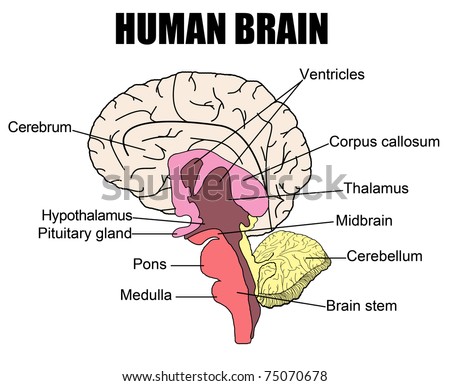
The combination of brain volume (volume for the average adult is 1,260 cubic centimeters), blood volume, and cerebrospinal fluid (CSF) volume determine intracranial pressure or ICP. If one of these increases, pressure in the brain will rise unless one of the others compensates by decreasing. In a person - such as myself - with hydrocephalus this balance is distorted and a unnatural condition takes place. In a person not affected by hydrocephalus, they should have one ounce (1 oz.) of CSF in the ventricles and about four ounces (4 oz.) of CSF surrounding the outside of the brain. When the components of the brain are functioning normally - without a shunt - the brain has the ability to be elastic. This means it is able to compensate accordingly for an increase (or decrease in CSF pressure). In hydrocephalus patient's who have been shunted, this is no longer the case.

No automatic alt text available.
Physiology of hydrocephalus
In studying to present this blog, I learned something that I had never heard before and that is that when our bodies enter rapid eye movement (REM) sleep (typically about 80 - 90 minutes after falling alseep) plateau waves occur resulting in increased intracranial pressure (ICP). In shunted patients who undergo ICP monitoring overnight, those changes are considerably more drastic that with the average person. Those things that would normally be expected to cause an increase in ICP result in huge changes in a shunted patient.

Placement of a shunt results in an unnatural situation. The brain fills the intracranial space while the shunt drains essentially of the available CSF from the ventricles.The end result is a larger-than-normal brain in a fixed (NOT elastic) skull with little room for changes in the ICP (which is characteristic of a person with hydrocephalus. If changes in blood flow occur, resulting in blood volume within the intracranial space, increased intracranial pressure will occur and can result in a headache.

Headaches can also be the result of altered pressures within the skull once a shunt has been implanted. Interestingly, the can occur both if the pressure is too high or too low.

II. Treatment

Like everyone else, both children and adults with hydrocephalus experience periodic headaches. It is the frequency and severity of these that determine whether they are a result of the hydrocephalus. According to Dr. Gordon McComb, Chief of Neurosurgery, Children's Hospital Los Angeles, "If the headaches are getting progressively worse, many times it's an intermittent malfunction of the shunt". Dr. McComb explains that ventricle size is also not always an accurate indication of whether the shunt is working correctly. "The ventricles are going to remain the exact same size whether the pressure is normal or elevated".

The slit ventricle is the white streak
visible pointing toward the
left side of the brain
With slit ventricle syndrome, small ventricle size is not the cause of the problem. The problem occurs if the shunt becomes clogged and the ventricles don't dilate. If this situation happens repeatedly (accompanied by acceleration in the occurrence of headaches) it can indicate a blockage the builds up and then releases. Replacing the proximal ventricular catheter in the shunt will normally correct this problem.

When hydrocephalus problems experience repeated headaches it is imperative to sketch out a plan of action which involves a conference between the patient and his/her doctor(s). This conference sets up treatment parameters and, if those parameters are exceeded, the medical team moves forward with the replacement of the shunt.


For additional information: Hydrocephalus and headaches