Showing posts with label Awareness. Show all posts

Monday, November 26, 2018

Are we seen as second class citizens? (Part 1)

Normally, I try to be upbeat and positive with my blog post, but, today, I wanted to pose a question: because of our condition, are we viewed as second-class citizens?

What is hydrocephalus?

It is normal to have fluid around your skull. The problems arise when that fluid - known as cerebrospinal fluid or CSF - becomes excessive and causes a widening of the ventricles within the hemispheres of the brain. According to Medicinenet, it is estimated that one in 500 children are born with this condition. Many, like myself, survive the condition to adulthood and live normal, productive lives that include getting married and having children.

Adults vs. children: it affects each differently

The symptoms of hydrocephalus are different in adults and children for two major reasons: 1) Age of the person; and 2) Individual (health) factors. For example, with an infant, the skull is not fully fused, so the CSF will cause the head to enlarge as well as other obvious signs such as "sun-setting" (downward deviation) of the eyes. In older children and adults, however, head enlargement is not possible, so the symptoms experienced are different. Symptoms can include: headache, swelling of the optic  nerve (papiledema), and memory loss.

Thursday, September 6, 2018

Relieving the pressure within: preparing for my surgery (part 1)

Most involved . . .

Since 2008, I have five other surgical procedures: three stints (2016), bi-ventricular pacemaker (2014), and an Orchiectomy (2008). The surgery to implant a shunt or open a ventriculostomy will be, by far, the most involved carrying the greatest benefit to allow me to return - at least for the biggest part - to helping others. Are there risk? Yes, but at this point, I think the benefits far exceed the risk. To quote an article I read "Most cases of symptomatic hydrocephalus must be treated before permanent neurologic deficits result or neurologic deficits progress" That same article goes on to explain that when the etiologic factor(s) are known, the hydrocephalus can be treated with temporary measures while the underlying causation is also being treated. In my situation, the etiology is congenital aqueductal stenosis which causes my aqueduct of Sylvius to be completely blocked which means cerebrospinal fluid is always present in my skull and cannot be reabsorbed by my body.

Questions, forms, and tests (Oh my!)

I haven't even had the consultation for the surgery yet, and I am blown away by the questions to be answered, forms to be filled out (some in duplicate and triplicate), and tests that have to be completed. I am somewhat embarrassed to admit this, but as I was educating myself on what was about to happen and the website mentioned "informed consent" but, for whatever reason, my mind saw "implied consent". It wasn't until later than evening when I mentioned it to my sister Hope, that she pointed out my gaffe. "Informed consent", by the way, means that I fully understand what the surgery is intended to do, benefits and, of course, potential risks. I do.

But it's not just paperwork when you're preparing for brain surgery (pardon my repeated use of those words . . . it's my way of making what is about to happen real). Prior my consultation visit with my neurosurgeon (which will most likely occur late next and when I am admitted to the hospital, I will have undergone three (3) imaging studies including an Cine MRI which will allow the neurosurgeon to the flow of my cerebrospinal fluid or CSF. This is important for two reasons: 1) It will allow the neurosurgeon to see any blockages that exists in addition to the aqueductual stenosis that we are already aware of; and 2) It will confirm if their suspicions are correct and that I also have Chiari malformation where the cerebellar tonsils (lowest part of the brain) has actually descended into the upper part of my spinal column.


Monday, May 21, 2018

Let's talk about shunt surgery


I would have never thought it


For those who follow this blog regularly, you know that I developed hydrocephalus about one week after I was born.  You might also remember that I became symptomatic last October. Up to this point I have done okay treating the symptoms with medication, but they are getting worse, so, this coming week, I have an appointment at Emory University Hospital for a surgical consultation to either implant a ventriculoperitoneal (VP) shunt, do an endoscopic third ventriculostomy (ETV), or, maybe, both. Whichever Dr. Olson and I agree on, I am ready and look forward - following my recovery - to returning to a quality of life that I enjoy and that benefits those around me.

As I say, I am at peace with the surgery, however, after seeing a video on YouTube, one aspect of the shunt implant raise my anxiety (and pain level) a notch. It involves what I refer to as the "Moses stick" (surgical, stainless steel rod) they use to guide the tubing toward its final destination in my peritoneal cavity. I have been assured by my hydrocephalus family that I will be getting the "good stuff" for pain so any discomfort I feel should be minimal.

They will keep me going


Regardless of how it plays - surgical intervention or continued treatment with medication - I have the most awesome support system a guy could ask for and I believe it is because they have "been there, done that" so they are not only helping me to grasp what's before me, but calming my fears. I love my sweet "hydro family". ❤

Wednesday, February 14, 2018

Complications and malfunctions of shunt systems


Sadly, much of my inspiration for blogs on hydrocephalus come about because of a bad situation that occurs either to me or one of my friends with hydrocephalus. This is one of those occasions. Early Monday morning, one of my friends passed away after tubing from his shunt broke and came into contact with his brain stem. You might wonder how such a thing could happen. So named because of its stem-like appearance, the brain stem is where the base of the brain attaches to the spinal cord. (WebMD, 2016) it's main job is to control the flow of messages between the brain and the rest of the body; it is also controls basic body functions such as breathing, heart rate, and blood pressure.

What can go wrong?

Hydrocephalus is treated by surgically implanting a shunt into the patient's brain, however, complications can develop or the shunt can malfunction. Interestingly, in pediatric patients, there is a fifty percent (50%) shunt failure rate after only two (2) years. The exact cause for this is unclear.

Shunt malfunction

A partial or complete blockage of the shunt system is know as a shunt malfunction. (Hydrocephalus Association, 2014) When this occurs, cerebrospinal fluid builds up and causes symptoms similar to those seen with untreated hydrocephalus.

The blockage is caused by a build-up of blood cells, tissue, or bacteria and occur anywhere system. Both the proximal catheter (which is implanted in the brain) as well as the distal catheter (which can be implanted either in the ventricle of the heart, the peritoneal cavity of the abdomen, or, rarely, in the spine) can be blocked. These blockages originate in either the choroid plexus or the ventricles of the brain. Generally speaking, in adult hydrocephalus patient's, blockages occur with greater frequency in the distal catheter.

Generally, a shunt system is durable, however, components of the system (pictured below) can become disengaged or fractured as the result of normal wear -- particularly in children due to their growth spurts. Also, although rare, a valve can fail due to a mechanical malfunction.

Shunt infection

A shunt infection usually occurs as a result of the person's own bacterial organisms and isn't caused by be exposed to someone who is sick. The most common bacterium to cause an infection is Staphlococcus epidermis. which is normally present on a person's skin as well as in the hair follicles and in the sweat glands. This type of infection is typically seen one (1) to three (3) months after shunt implant surgery, but can occur up to six (6) months later. In persons with a ventriculoperitoneal (VP) shunt is a shunt infection that occurs secondarily to an abdominal infection. Lastly, in persons treated with a ventriculoatrial shunt (which empties into the right ventricle of the heart) a generalized infection can occur.

Other shunt complications

Over drainage causes the ventricles to decrease in size and become slit-like (see: What is slit ventricle syndrome (SVS)?) due to the brain and meninges pulling away from the skull. SVS is most common in young adults who have been shunted since early childhood. A telltale symptom of SVS is severe intermittent headache that improves when the person is laying down.

Under drainage does the exact opposite and causes the ventricles to swell. When this occurs, the shunt might not be able to relieve the hydrocephalus symptoms. In order to restore a balanced flow of CSF, it might be necessary to implant a new shunt with a more accurate pressure valve. If the person has a shunt with programmable valves, the balance of flow can be restored by resetting the opening pressure.

 Subdural hematoma (pictured at left) occurs when a broken blood vessel in the meninges becomes trapped between the skull and the brain. It is seen most commonly in adults with Normal pressure hydrocephalus (NPH) and requires surgical intervention to correct it.

Multiloculated hydrocephalus is located (isolated) CSF compartment in the ventricular system that is enlarged and not in communication with the normal ventricle. It can be the result of trauma at birth, neonatal intraventricular hemorrhage, Ventriculitis, over drainage, or other conditions. This complication might be difficult to identify because it is typically seen in infants and children who might be neurologically compromised. Treatment involves surgery to implant ventricular catheters, Craniotomy and fenestration (opening) of the intraventricular loculations. (John Hopkins Medical, N.D.)

Seizures can sometimes occur in people (both adults and children) with hydrocephalus. Medical research has shown there is NO CORRELATION (emphasis added) between the site a shunt implant (or the number of revisions a person has) and a increased risk of developing seizures. The one possible exception to this involves children who have significant cognitive delays or motor disabilities are at higher risk (italic emphasis added) are more likely to experience seizures compared to children without similar delays or disabilities. Research has also shown that seizures aren't likely to occur at the time a shunt malfunctions, and the more likely explanation for the occurrence of a seizure disorder is related to an associated malformation of the cerebral cortex.

Abdominal complications can also occur in patient's with hydrocephalus who are treated with a shunt. This is due to the fact the distal catheter of a ventriculoperitoneal (VP) shunt is placed in  the peritoneal cavity of the abdomen. Although complications associated with a VP shunt aren't less in frequency (when compared to a ventriculoatrial [VA] shunt), they tend to be less severe and have a lower mortality rate. These complications can include: peritoneal pseudocysts, loss of the distal catheter, bowel perforations, and hernias.

Thursday, February 8, 2018

What is congenital aqueductal stenosis and hydrocephalus? (Part 2)

How is it diagnosed?

A diagnosis of hydrocephalus resulting from congenital stenosis of the aqueduct of Sylvius is typically suspected based on the presence of characteristic signs and symptoms (found in a physical exam) and/or imaging of the brain. Evidence of a mutation in the L1CAM gene can be used to confirm the diagnosis

How is it treated?

The treatment of HSAS is dependent on the signs and symptoms presented by each individual. For example, in persons with hydrocephalus, treatment involves brain surgery to implant a shunt. If it causes the child to have intellectual disabilities, a combination of early intervention and enrollment in special education classes might be recommended.


BIBLIOGRAPHY


National Institutes of Health (N.D.) Hydrocephalus due to congenital stenosis of aqueduct of Sylvius. Retrieved on February 7, 2018 from https://rarediseases.info.nih.gov/diseases/434/hydrocephalus-due-to-congenital-stenosis-of-aqueduct-of-sylvius

National Institutes of Health (2018). L 1 syndrome. Retrieved on February 7, 2018 from https://ghr.nlm.nih.gov/condition/l1-syndrome.

Online Mendelian inheritance in men (OMIM) (ND). MASA syndrome. Retrieved on February 7, 2018 from http://www.omim.org/entry/303350.

Wednesday, February 7, 2018

What is congenital aqueductal stenosis and hydrocephalus? (Part 1)

In yesterday's blog - as well as a blog I wrote last year - I touched on aqueductal stenosis. Today, I want to look at congenital aqueductal stenosis and how it causes hydrocephalus. This is a condition that is "near and dear" to me because I found out back in October that I suffer from the condition. Most likely, according to the neurosurgeon, that is what caused my hydrocephalus.

What is hydrocephalus due to congenital aqueductal stenosis (HSAS)?

Hydrocephalus due to congenital aqueductal stenosis (HSAS) is a form of L1 syndrome -- a group of conditions that primarily affects the nervous system and occurs almost exclusively in males. They (L1 syndrome disorders) can vary in severity and include, from most severe to least severe, x-linked hydrocephalus with aqueductual stenosis (HSAS), Spastic paraplegia 1, and x-linked complicated corpus callosum agenesis.

HSAS is an acronym for the characteristic features of the condition: a buildup of cerebrospinal fluid (CSF) in the brain (hydrocephalus) which is often present from birth, muscle stiffness or spasticity, adducted thumbs (meaning they are permanently bent inward toward the palms), and a narrowing (stenosis) of the aqueduct of Sylvius.

How is HSAS passed from parent to child?

HSAS is inherited in an X-linked recessive manner. This means the responsible gene is located on the X chromosome -- one of two sex chromosomes; the other sex chromosome is the Y chromosome. Females have two (2) X chromosomes in each cell while the male has an X chromosome and a Y chromosome in each cell.

One of the female's X chromosomes is "turned off" meaning all of the genes on that chromosome are inactive. If a female has a change (mutation) in the gene on one of their X chromosomes, she is considered to be a carrier but will not exhibit the symptom(s) associated with the mutation. In those rare cases, where the female does experience symptoms, they are generally milder than those experienced by the males. In contrast, a male has only one (1) X chromosome, so, if he inherits a mutation on that chromosome, he will be symptomatic.

Tuesday, February 6, 2018

Absence of the Aqueduct of of Sylvius

Introduction

Yesterday afternoon I checked in with one of my Facebook hydrocephalus support group and the question came up whether it is possible for the aqueduct of Sylvius can be completely absent from the brain. After some early morning research, the answer to that question is "no". Let me explain what it does and you will better understand why this is the case.

The aqueduct of Sylvius serves as the communicator between the third and fourth ventricles of the brain. Located just above the hypothalamus (pictured at left) in the mid-brain, the Aqueduct of sylvius measures 15 to 18 millimeters long by 1 to 2 millimeters in diameter and is shaped like the neck of a swan. It contains the nuclei of the third and fourth cranial nerves.

What can go wrong?

In 1935, Lysholm suggested that a kink in the aqueduct of Sylvius was considered pathogonomic of space occupying lesions of the posterior fossa. Three years later, in 1938, Hyndman wrote about four (4) cases where tumors were located either in or pressing on the cerebellar vermis causing a kinked aqueduct of Sylvius. This was later reenforced by another researcher who hypothesized that a kink could be a variation of the normal. Below is a case study that seems to agree with that finding.

Case study # 1
While hospitalized for an unrelated issue, a 70 year-old man presented with the clinical triad of dementia, gait instability, and urinary incontinence. A radionuclide cisternagram strongly pointed to normal pressure hydrocephalus since the test demonstrated entrance of the nuclide into the ventricles with no flow over the cerebral convexities. pneumoencephalography indicated a kinked aqueduct, however, there was no displacement of the fourth ventricle. It also showed gross enlargement of the lateral ventricles.

Case study # 2
A 16 year-old boy presented with headache, double vision, nausea, and vomiting. Examination discovered bilateral papiledema (swelling of the optic nerve) accompanied by paresis of the upward gaze. (Just as an FYI, papiledema and paresis of the upward gaze are also characteristic symptoms in hydrocephalus patients -- especially those, such as myself who are unshunted.) A radiograph of the skull identified a Calcified pineal gland and a pneumoencephalagram indicated a kink in his Aqueduct of Sylvius. Based on these findings - and the lack of displacement of the fourth ventricle (which would be indicative of a tumor), he was diagnosed with Pinealoma -- a type of tumor that develops on the pineal gland.

Conclusion


Modern day research has disproved Lysholm's hypothesis that a kink in the aqueduct of Sylvius is pathognomonic - meaning that it is indicative - of space occupying lesions of the posterior fossa. It is now evident that a kink can also occur in persons with other cranial abnormalities such as those pointed out in the case studies cited above.

Monday, February 5, 2018

What are the different types of shunts and how do they work?

Introduction

Yesterday I was working on a blog for my Facebook hydrocephalus support group and one of the group admins (adminstrators) to write a blog discussing the different types of shunts -- here it is. Let's start by looking at the different types of shunts, their pathway, their inflow location, and their drainage location.

Shunt pathway              Type      inflow location      Outflow location

Ventriculo-peritoneal    VP           Ventricle (brain)     Peritoneal cavity
Ventriculo-atrial             VA           Ventricle (brain)     Right atrium of the heart
Ventriculo-pleural          VPL         Ventricle (brain)    Pleural cavity
Lumbo-peritoneal          LP            Lumbar spine        Peritoneal cavity

Now that I have probably confused you, let me see if I can make the "Inflow location" and "outflow location" make sense. The inflow catheter of the shunt system (also referred to as the proximal end) is the location where the Cerebropspinal fluid (CSF) is introduced into the shunt system. The outflow catheter of the shunt system (also referred to as the distal end) is the location that the CSF empties into to be reabsorbed by the body.

How does a shunt system work?


Also known as a "CSF diversion device", shunts have been used for 68 years (the first one was successfully implanted in 1949) to divert CSF from the ventricles within either the brain or subarachnoid space(s) to another part of the body where it can be reabsorbed. Implantation of a shunt creates an alternate pathway for the CSF which is constantly produced within the brain and usually (italics added for emphasis) restores the balance between CSF production, flow, and absorption when one (or more) of these functions becomes impaired. There are valves within the shunt's pathway that act as "on-off switches" when the Differential pressure (DP) - the pressure difference across the valve - exceeds the valve's opening pressure.

My sources:

Hydrocephalus Association (shunt fact sheet)
Neuropathology: an illustrative interactive course

Sunday, February 4, 2018

Recovery after VP shunt implant surgery (part 2)

Yesterday, we looked at placement and recovery following ventriculo-peritoneal surgery. Today, we will look at recovery once the patient gets home and potential complications that can occur.

Recovery at home

After surgery, the patient may experience tenderness in their neck or belly since these are both incision sites. Overall, shunt implant surgery is VERY safe procedure, however, complications can occur both during the procedure and during the recovery period. These include: 1) Infection either in the brain or in the shunt itself; 2) Bleeding inside the brain; 3) Damage to brain tissue; or 4) Edema (swelling) of the brain.

Additionally, in rare cases, patients might experience fever (>36.0 celsius), headache, abdominal pain, fatigue, or a spike in blood pressure (or experiencing symptoms similar to before the shunt was implanted) are indications of either an infection, shunt malfunction, or shunt failure. THESE ARE POTENTIALLY LIFE-THREATENING -- NOTIFY YOUR DOCTOR OR PROCEED TO THE NEAREST EMERGENCY DEPARTMENT.

What is the prognosis for implant patients?

Shunting is successful in reducing intracranial pressure (ICP) in most patients. One drawback to the shunting process is the fact that it generally (italics added) has to be replaced after several years -- particularly in small children. For infants, the anticipated life of a shunt is two (2) years. After age two and in adults with a shunt, this increases to eight (8) or more years. (I have a friend whose shunt is 37 years-old). Shunt systems require frequent monitoring to prevent: 1) Mechanical failure; 2) Obstruction; or 3) Infection.

My sources:

What is a vetriculoperitoneal shunt? (Healthline.com)


Saturday, February 3, 2018

Recovery after VP shunt implant surgery (part 1)

Some background . . .

A few minutes ago on one of my Facebook hydrocephalus support groups, we had a mom ask about recovery after shunt implant surgery. Her infant son was several days post surgery and, while his incision was healing well, the group was concerned about abnormal swelling around the incision site. Being the group's resident "egg-head" (pun intended) I sprang into action to find the answers to her questions. This blog is the results of my research.

What is a VP shunt?

A ventriculo-peritoneal (VP) shunt is used to remove excess cerebrospinal fluid (CSF) from the skull of patients suffering from Hydrocephalus. It is so named because the distal end of the shunt is placed in the peritoneal cavity of the abdomen where it empties and the CSF is reabsorbed by the body.

How is the implant done?

Surgical implant of a VP shunt requires the neurosurgeon to make one (1) burr (drill) hole and  two (2) incisions: a hole is drilled (burred) using a surgical drill behind the patient's ear to place the proximal end of the shunt into the affected ventricle of the patient's brain, one incision is made into the neck to aid in the placement of the tubing into the chest / abdomen area; and one incision is made in the patient's abdomen to receive the distal end of the shunt. Barring any unforeseen complications, the procedure usually takes about (italics added) 1.5 hours.

Are there risks associated with shunt implant surgery?

Simply put, as with any surgical procedure, there are risk involved. Generally, however, the benefits of shunt implant surgery out-weigh the risks. In addition to breathing issues, possible reaction to medication(s), and bleeding or blood clots, shunt implant surgery carries several unique risks: 1) Bleeding from the brain or blood clot(s); 2) Swelling of the brain; 3) Development of bowel perforation (a hole) following the surgery; 4) Leakage of CSF fluid under the skin; 5) Infection of the shunt, brain, or in the abdomen; 6) Damage to brain tissue; or 7) Seizures.

In order to prevent potential complications (and to facilitate faster healing) the patient might (italics added) be required to lie flat for the first 24-hours after the surgery. The duration of the post-operative hospital stay is dependent on why the shunt was originally needed. For example, a shunt being placed to try congenital hydrocephalus might not require as long of a hospital stay as one for a shunt placed to treat Acquired hydrocephalus which is caused by a traumatic brain injury (TBI) or an infection. The health care team will carefully monitor the situation.

My sources:

1) Ventriculo-peritoneal shunting           (Medine.com)
2) What is a vetriculoperitoneal shunt? (Healthline.com)

Tuesday, October 10, 2017

Dandy Walker Malformation and Hydrocephalus: Is there a connection?


What is Dandy-Walker malformation (DWM)? (Part I)
1 cerebellum and the ventricular system
1
Walker-Walburg
Syndrome
Dandy-Walker malformation (DWM) is a malformation of the brain which occurs during the embryonic development phase of the of the cerebellum and the fourth (4th) ventricle. The cerebellum (pictured at right) is the portion of th7e brain that, not only helps in the coordination of movement, but also is involved with both cognition and behavior. The fourth (4th) ventricle is a space around the cerebellum that channels cerebrospinal fluid (CSF) to the outside of the brain. DWM is characterized by underdevelopment (both a small size as well as an abnormal position) of the middle part of the cerebellum known as the cerebellar vermis, Additionally, it causes cystic enlargement of the fourth (4th) ventricle as well as enlargement of the base of the skull (Posterior fossa). In approximately twenty percent (20%) to forty percent (40%) of DWS cases, it occurs as the result of hydrocephalus (see: What is Hydrocephalus (Part 1 of 2) and What is Hydrocephalus (Part 2 of 2)). In addition to hydrocephalus, DWM can also be mistaken for Walker-Warburg Syndrome (WWS) (pictured above left). WWS is a rare, genetic, multisystem disorder characterized by muscle disease and eye abnormalities. Although the specific symptoms vary from case to case, the most consistent features of WWS are a smooth appearance to the surface of the brain (due to the lack of normal folds known as Lissencephaly), malformation of other brain structures such as the cerebellum and the brain stem, various developmental abnormalities of the eyes, and progressive degeneration and weakness of the voluntary muscles (Congenital muscular dystrophy). WWS is considered to be a form of muscular dystrophy and is inherited as an autosomal recessive genetic condition.
DWM affect approximately one (1) birth per 25,000 - 35,000 live births in the United States and affects the male population more than the female population.
What causes DWM
DWM is caused by defects which occur early in the embryonic development of the cerebellum and surrounding structures. in a few patients chromosome abnormalities including the depletion of 3q24.3 (which is the location of the first DWM genes known as ZIC1 and ZIC4), 6p25 or 13q32.2q33.2, or the duplication of 9p. In the remainder of cases, it is due to more complex genetic and, perhaps, environmental factors or Teratogens
Related disorders
Symptoms of other conditions (outlined below) can be similar to (and mistaken for) DWM. These include:

Hydrocephalus

Hydrocephalus is a condition where abnormally widened (dilated) ventricles inhibit the flow of cerebrospinal fluid (CSF). This results in a build-up of the CSF in the skull causing pressure on the brain. 

Walker-Warburg Syndrome (WWS)

WWS is a rare, genetic, multi-system disorder characterized by both muscle disease as well as eye and brain disorders. Specific symptoms and severity of WWS vary from person to person, however, the most consistant feature is a smooth appearance of the surface of the brain due to the lack of normal folds (lissencephaly) as well as malformation of other brain structures

Primary care needs of children with hydrocephalus


Last night I was on Facebook and reading messages in one of the hydrocephalus support groups I subscribe to. The mom of a hydrocephalic child asked a question about ventriculo-peritoneal (VP) failure and constipation; being I have this blog, I started researching and found LOTS of articles, the only problem was you had to pay to view anything more than the abstract. Not to be deterred, I did another search this morning and found an article that presented enough information that I can intelligently respond to her question. To accomplish this, I am going to discuss the primary care needs of children with hydrocephalus and include the information about the VP shunt and constipation.

Clinical manifestations at the time of diagnosis


Although the signs and symptoms of hydrocephalus might be somewhat varied due to the specific cause of the condition, there are common clinical manifestations associated with the increased intracranial pressure (ICP) (See Magnetic Resonance Imaging (MRI) at right). If the accumulation of excess cerebrospinal fluid (CSF) occurs slowly, the child may be asymptomatic until the hydrocephalus is quite advanced. Because of this, significant dilation of the ventricle(s) can occur before abnormal growth of the head is apparent. A myriad of symptoms including: 1) Full (or distended) fontanels; 2) Frontal bossing (protruding forehead); 3) Prominent veins in the scalp; 4) Vomiting; 5) Irritability; and 6) Opisthotonic posturing might be observed before dramatic changes are noted in head circumference.


Roona Begum, age 5, was one of the
more severe cases of hydrocephalus.
In older children - where the cranial sutures have already fused - the development of hydrocephalus might result in the non-specific symptoms of headache, nausea, vomiting, and personality changes (including irritability or lethargy) might occur. In addition, spasticity or Ataxia (complete loss of control of a specific body part) or urinary incontinence can occur in more severe cases. The child might also experience vision problems such as extraocular muscular paresis (caused by increased pressure on the second, third, or sixth cranial nerves) and/or papilledema. If the increase in intracranial pressure occurs near the hypothalamus, alterations in growth, sexual development, or electrolyte imbalance may occur.

Associated problems

Constipation is not a secondary problem I would have associated with hydrocephalus, but turns out it is. To be completely accurate, it is not the problem per se, but, rather the elevated intraabdominal pressure which, in turn, places pressure on the distal end of the shunt (pictured at right) (Journal of Neurosurgery: Pediatrics, 2006). According to Constipation as a reversible cause of ventriculoperitoneal shunt failure there have been two (2) documented cases (including imaging evidence) of children with apparent VP shunt failure who were also severely constipated. Treatment of the constipation resulted in both clinical and imaging-documented resolution of the shunt failure.

Seizures occurring during infancy are not uncommon at the time of the initial diagnosis of hydrocephalus due to the increased intracranial pressure (ICP). An estimated twenty percent (20%) of infants with hydrocephalus continue to experience seizures after their first year of life. These seizures can be either simple or complex in nature (up until age eight, I suffered from absence seizures where my awareness and responsiveness were impaired) and are typically well-managed with standard anticonvulsant therapy. By contrast, seizures that occur with acquired hydrocephalus are more likely to result from the underlying cause (such as a brain tumor or infection) and are more difficult to treat.

The effects on intellectual function is difficult to determine early on in the disease process. The cause of the hydrocephalus seems to be the crucial point in determining how it - intelligence - will be affected. If the hydrocephalus is uncomplicated, it generally has a better prognosis than hydrocephalus resulting from a brain injury. In recent studies, two-thirds (2/3) of children diagnosed with hydrocephalus had normal or borderline normal intelligence (for reference purposes, 85 - 115 is considered normal). In children - with hydrocephalus - with an intelligence quotient (IQ) score above 70, their performance IQ scores are lower than full-scale and verbal IQ. This discrepancy indicates a need for both pre-school and school counseling and testing to identify areas of learning disability.


Visual abnormalities are often found either at the time of diagnosis or in the event of a shunt malfunction. The increase in intracranial pressure (ICP) result in optic nerve pressure, limited upward gaze (also known as Sunset sign or Parinaud's syndrome), extraocular muscle paresis, and Papilledema (shown at right).


Although their shunt is completely functional and their hydrocephalus is controlled, these children commonly suffer from vision problems such as strabismus (misalignment of the eyes), amblyopia (commonly known as "lazy eye" where the brain favors one eye over the other), nystagmus (rapid, uncontrollable movement of the eyes) or astigmatism (blurred vision resulting from an irregular surface contour of the cornea). Refractive and accommodation error is seen in between 25% - 30% of children with hydrocephalus.

Motor disabilities are seen in approximately 75% of children diagnosed with hydrocephalus. These can range from severe paraplegia (paralysis of the legs and lower body as a result of spinal injury or disease [such as hydrocephalus]) to weakness or mild imbalance. The severity of the motor deficit is usually dependent on the diagnosis; for example, a child diagnosed with porencephaly (a cyst filled with cerebrospinal fluid [CSF] forms within the brain) or Dandy-Walker Malformation (DWM) tends to have more serious motor defects than a child with "simple" congenital hydrocephalus.

Fine motor control is also affected by hydrocephalus.  Kinesthetic-proprioceptive abilities of the hands are often affected negatively and, coupled with impaired bimanual manipulation and frequent visual deficits, make it difficult for a child with hydrocephalus to perform well on time-limited, non-verbal intelligence tests.

Primary care management

Growth and development

Both precocious and short stature have been documented in children with hydrocephalus. Sexual development prior to the age of eight (8) in girls and the age of ten (10) in boys is considered precocious and warrants additional diagnostic study. Height below the 5th percentile, if not compatible with family stature, is an indication of growth retardation. Treatment is available for both of these conditions and the child should be referred to an endocrinologist is symptoms of either condition persist.
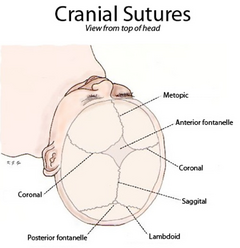
If a child is suspected of having hydrocephalus, their head circumference should be measured by an experienced medical professional. Until the cranial sutures (pictured at left) are completely fused - which can be delayed in a child with hydrocephalus - any increase of head size is a major indicator in diagnosing the child's condition. Once placement of a shunted has been completed, head circumference may decrease by one to two centimeters as the intracranial pressure (ICP) is relieved. Following this initial decrease, the child's head should grow in proportion to the child's body.

Standard infant developmental screening tools utilized in a primary care practice (such as the Denver Developmental Screening Tool) may be of little help when assessing an infant with hydrocephalus. It is important for the child's practitioner to interpret developmental findings in the context of clinical observations so as to assist the parent's in developing reasonable expectations for the infant. Some motor delays are to be expected during infancy and early childhood due to an estimated 75% of children with hydrocephalus having some form of motor disability. The primary care provider (PCP) should carefully document the acquisition of motor skills because the loss of these skills can be an indication of shunt malfunction or progression of the causation of the hydrocephalus. Additionally, ataxia, slurred speech, or a lack of progression in school can be an indicator of the deterioration of neurological status and a need for further evaluation.

Immunizations

Diphtheria, Tetanus, Pertussis (DPT) is an important immunization for a child with hydrocephalus because pertussis (commonly known as whooping cough) can cause a unique problem for the hydrocephalic patient. However, caution must be exercised due to the fact that infants with a history of seizures are at a higher risk of suffering a seizure after the vaccine is administered. For this reason, deferring this immunization until neurological stability is ascertained is advisable.

The measles vaccine has also been implicated in in post-vaccination seizures (in children with hydrocephalus) particularly if they have a previous history of convulsions. Seizures that occur post-vaccination are not believed to result in damage and, combined with the ongoing high risk of natural measles, justifies use of the vaccine even if the child has a previous history of seizures.

Haemophilus influenza type B (or HIB) is recommended for all children at eighteen (18) months of age. Due to an increased risk of HIB infection in a child with a shunt, they should definitely receive the vaccine as recommended.

For additional information: Primary care needs of children with hydrocephalusVP shunts and constipation

References

Journal of Neurosurgery: pediatrics (2006).  Constipation as a reversible cause of ventriculoperitoneal shunt failure. Retrieved on October 2, 2017 from thejns.org/

Microcephaly: the exact opposite to hydrocephalus

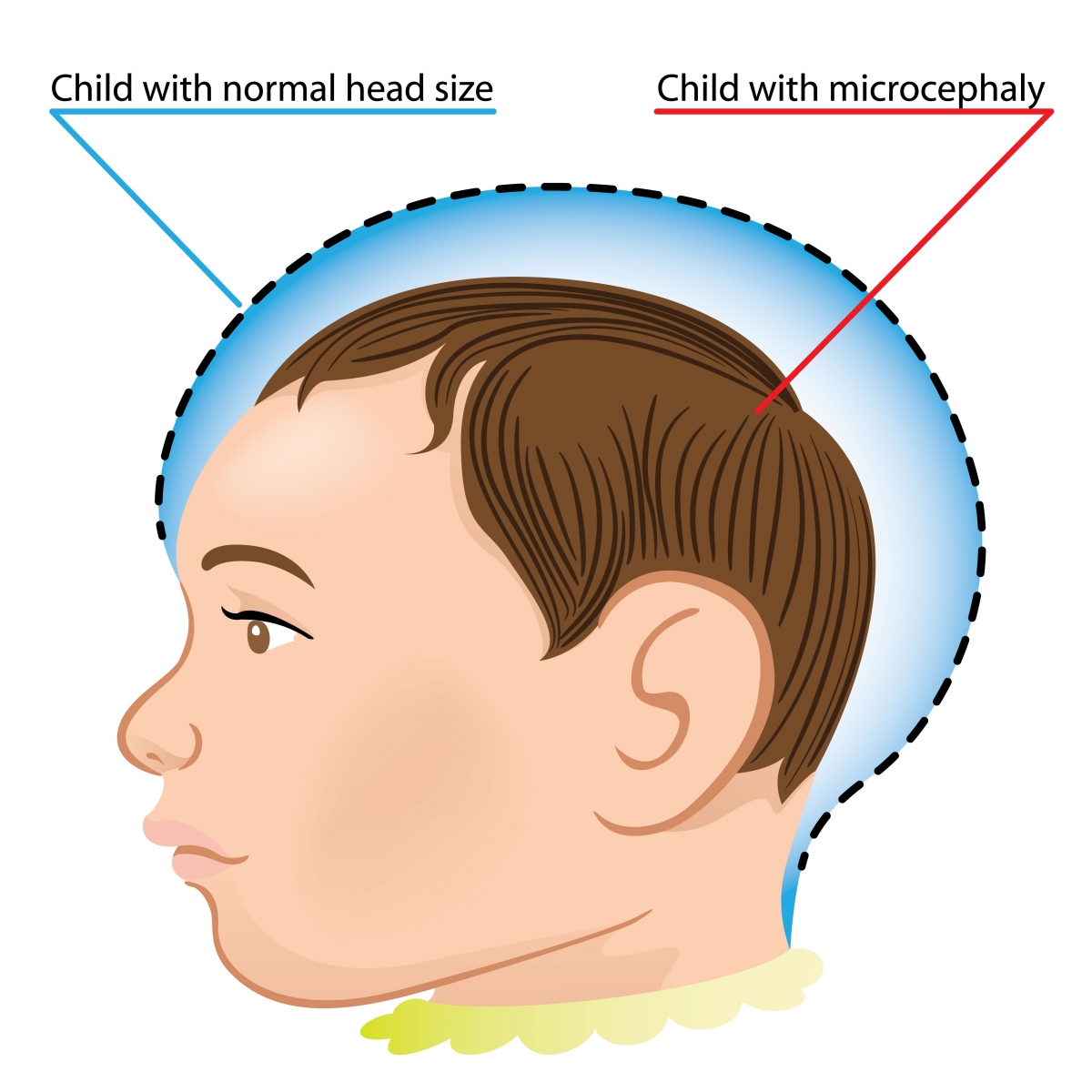
The blue shaded area represents the head size of
a normal size head (22.5" for a male baby) compared to a child with
microcephaly
What is microcephaly

The word microcephaly comes from micro plus the Greek word kephale meaning head which literally translates to micro (or small) head. The Centers for Disease Control (CDC) defines microcephaly as a birth defect that results in a smaller than average head (when compared to babies of the same age and sex). As might be expected, their brain tends to be smaller than average and might not have developed properly.

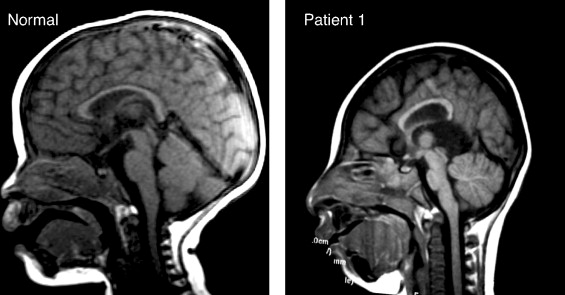
A normal size brain (left) and a brain affected
by microcephaly (right).
According to CDC researchers, the smaller head is the result of the child's brain not developing properly while the infant was in-utero or growth stopped shortly after birth. In approximately fifteen percent (15%) of cases a child born with this condition can have a normal life expectancy (and near normal intelligence), however, in severe cases they have a reduced life expectancy and poor brain function.

Microcephaly is not a common condition. According to state birth defect tracking systems, it occurs in somewhere between two (2) babies per 10,000 live births and twelve (12) babies per 10,000 live births.

How and when can it be diagnosed

Diagnosis during pregnancy can sometimes be accomplished by use of an ultrasound examination. If this process is used, it should be done either late in the second (2nd) trimester or early in the third (3rd) trimester.

Diagnosis after the baby is born is done by measuring the circumference of the newborn's head as part of a routine medical exam. The provider compares this measurement against population standards according to sex and age. It (microcephaly) is defined as "a head circumference measurement that is smaller than a certain value for babies of the same age and sex". This measurement value is usually less than two (2) standard deviations below the average. The measurement value might also be designated as less than the 3rd percentile. This means that the baby's head is extremely small compared to babies of the same age and sex.

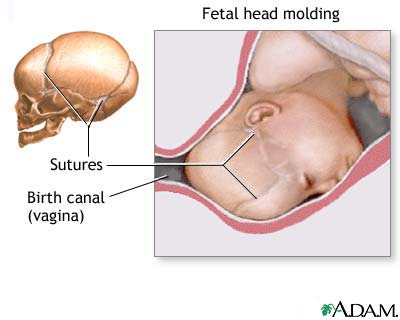
Microcephaly can be diagnosed by measuring head circumference (HC) after birth. Although HC can be influenced by molding of the head (where pressure from the birth canal "molds" the head into an oblong rather than round shape [pictured at right]), measurement should still be taken on the first day of life because commonly used birth head circumference charts are based on measurements taken before 24-hours of age.

What are the causes of and risk factors for microcephaly

Sadly, the cause of microcephaly in most infants remains unknown. In some cases, it was determined to have been caused by a change in their genes  Research by the CDC has shown that exposure to the following during pregnancy can lead to the condition:

Certain infections during pregnancy including rubella, toxoplasmosis, or Cytomegalovirus.

Malnutrition which could either be from not getting enough food or not getting the proper nutrients.

Exposure to harmful substances such as alcohol, certain drugs, or toxic chemicals.

Interruption of the blood flow to the baby's brain during development.

Babies born with microcephaly have been reported among mother who were infected by the Zika virus while pregnant. As a result, CDC researchers have been able to determine that exposure to the virus can cause microcephaly as well as other severe fetal brain defects.

Other problems associated with microcephaly

Babies with microcephaly can experience a myriad of other problems depending on the severity of the microcephaly. Common problems include: seizures, developmental delay(s) (such as with speech, sitting, standing or walking), intellectual disability, problems with movement or balance, feeding issues (such as difficulty with swallowing), hearing loss, or vision problems.

These problems can range from mild in nature to extremely severe to the point of being debilitating. Because the brain is small and undeveloped, babies with severe microcephaly tend to have more of these problems than a baby with milder microcephaly. Severe microcephaly can be life-threatening. Because it is difficult at birth to predict exactly which problems the baby will face, they will require close follow-up with their health care provider to monitor their growth and development.

How is microcephaly treated?

It is a life-long condition. Currently, there is no known cure - or standardized treatment - for microcephaly. Because symptoms can range from mild to severe, treatment options can also vary. For example, if a baby is born with mild microcephaly, they might only experience a smaller-than-normal head; still, that child will require routine check-ups to monitor their growth and development.

 For more severe cases, babies will require care and treatment that focuses on managing the associated health problems. Additionally, developmental services delivered early in the child's life can both improve and maximize the child's physical and intellectual abilities.

For additional information: Facts about Microcephaly


Sunday, October 1, 2017

Hydrocephalus and the individualized education program (IEP) (Part 2 of 2)


Part one of this blog looked at how the individualized education program came into existence and the process by which a child is evaluated. Part two will look at how the IEP is customized for each student and the steps taken to make sure it is being effective.

III. Designing the IEP

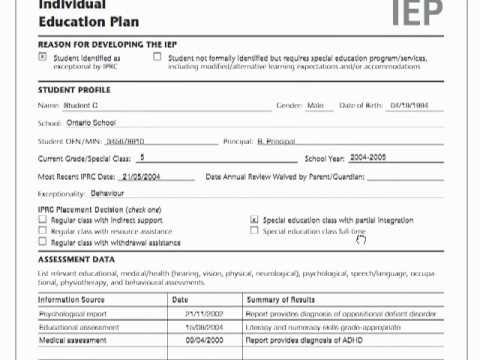
If a student is diagnosed with a disability, the next step is to design a program for him or her that addresses their unique needs. This program will be laid out in a very specific, very long document called the individual education program or IEP (pictured at right). It is reviewed annually. Just for clarification, an initial IEP must be in place within thirty (30) days following the evaluation meeting to determine eligibility; afterwards, an annual meeting must, under the terms of PL 94-142, take place no later than 365 days later. Meetings held after the 365 day benchmark are considered non-compliant.

IV. What goes into the IEP

As the old saying goes "everything but the kitchen sink". All brevity aside, keep in mind that the IEP is a binding document for the provisions of service between the district and the parents. This means that if the district does not provide the services promised in the IEP, it is non-compliant with not only the IEP, but also the law. Inside the IEP, a parent can expect to find the following:

Present levels are a snapshot of who the student is and how he/she is doing. It should include data such as reading test scores and math test scores, current grades, observed skills, behavioral referrals, and a record (or records) of work habits.

The offer of Free and Appropriate Public Education or FAPE which is commonly referred to as "placement" and/or "services". This is the binding part of the contract - between the parents and the district - where the district offers classroom or ancillary services such as speech therapy. It should also specify how often (number of days in the school year) the student will receive these services as well as the duration (how many minutes each session will last). Variable terms such as "as needed" cannot be used in this section, rather it should specifically spell out the minimum number and times for provision of services.

Goals are written to provide a measure of progress. They can be academic, social, or behavioral and should always be written with recognized area of need in mind. These goals should be achievable and measurable (see: S.M.A.R.T. goals)

Accommodations and modifications are changes to the classroom environment which may be necessary to assist the student (see example at left). For those who might not be familiar with the difference between these two terms, an accommodation helps a student to complete the same work on the same level as his/her peers; a modification allows for the student's work to be changed or completed on a different level.

Recent legislation mandates requires a transition plan if a student who will turn 16 years-old within the life of the IEP. The legislation also requires a transition goal in addition to the transition plan.

Typically each member of a student's IEP team signs a signature page and meeting notes that 1) Indicates their presence at the meeting; and 2) He or she approves the notes taken during the meeting. In addition, the parent(s) must consent to the accommodations, modifications, and placement (offer of FAPE) from the district for the initial IEP to be implemented.

V. What happens at the IEP meeting

As I indicated above, by law, this meeting must take place once-a-year and is designed to bring all of the team members together to discuss the student's needs as well as to review his/her performance by reviewing their progress toward stated goals. This is also when the teams reviews the student's eligibility to continue services and is known as the Triennial review and must be completed once every three years.

Just as an interesting sidebar about the IEP meeting, many new teachers are under the mistaken impression that the entire IEP must be written during this annual meeting. While some of the writing does happen during this meeting, the team should be prepared to come to the meeting with a first draft of goals, present levels, suggested accommodations, and an offer of Free and appropriate public education (FAPE).

Additional information: Individualized education program (IEP)

Thursday, September 28, 2017

Hydrocephalus and the individualized education program (IEP) (Part 1 of 2)


I. How did it all begin?

Although the legal precedence for inclusion can be traced back to Brown v. Board of Education (347 U.S. 483 [1954]), it was really the parent's of children with a disability that encouraged legislators to adopt the  Education for All Handicapped Children Act (EAHCA) (PL 94-142) in 1975 which required school district's to both include and educate children with special needs as well as to create specialized academic plan (later to be known as an individualized education program or IEP) for them.

Because of its honorable beginnings, it only makes sense that the IEP (sometimes also referred to Individualized Education Plan) process was intended to be centered on the student. That being said, which students qualify for an IEP? Below is a listing of the disabilities or impairments that are eligible for an IEP: Autism, Deaf-blindness, Deafness, Emotional disturbance, Hearing impairment,  Intellectual disability, Multiple disabilities, Orthopedic impairment, Other health impairment, Specific learning disability, Speech or language impairment, Traumatic brain injury and Visual impairment.

II. Having your child / student evaluated for an IEP


For a parent, it is very simple if you believe that your child is qualified to receive special education services. It's just a matter of going to their teacher, principal, or the school's psychologist. Once you have asked about you child being evaluated for an IEP , a group of qualified personnel (including those outlined above) will decide whether or not an evaluation is warranted and create an appropriate plan if an IEP is deemed necessary. From the time the parent gives consent to proceed with the evaluation, the district has sixty (60) days to complete the evaluation. Any decision regarding the IEP evaluation must, by law, include parental input.

It should be noted that a child's teacher can also refer students for evaluation, but only after attempts have been made to remedy the problem without special education services. If such attempts have been made (and the student is continuing to struggle), the next step is initiation of an intervention under RTI (response to intervention) or convening the school's student services team (SST) to discuss their performance. In this meeting, the general education teacher brings samples of the student's work as well as supportive data such as reading scores and math scores, behavioral charts, and writing samples. From this data, the team can decide whether the student would benefit from an evaluation, or if they should continue without special education services.

 If the suspected cause of the problem is the result of a learning or behavioral impairment, the SST can work together to determine what tests need to be done and what data needs to be gathered. This can include a variety of performance-based tests such as Woodcock Johnson, Third Edition (WJIII), or the Wechsler Individual Achievement Test (WIAT). In addition, they might perform cognitive function and behavioral function testing.

Following this testing (and gathering of existing information), the evaluation team will meet again to discuss the results of the tests. At this time, if a decision is made regarding evaluation, the student's parent(s) are invited to participate.

I would be amiss if I did not include the caveat that there are certain diagnosis that neither teachers or school psychologist are not qualified to make. These include Attention Deficit Hyperactivity Disorder (ADHD), Autism (or Autism Spectrum Disorder), as well as most physical and developmental delays require a medical diagnosis. If you are an educator and suspect that you have a student affected by one of these conditions, it is imperative to include a medical professional in the evaluation process.

To sum up this portion of the IEP process, in each category of disability, there must be an impact on the student's education that is directly attributable to the disability and they must be deemed in need of specially designed instruction. After all, not all children with a disability require special education services.

For additional information: Individualized education program (IEP)Summary of PL 94-142

Monday, September 25, 2017

What is slit ventricle syndrome (SVS)?


I. Understanding our ventricular system
brain parenchyma

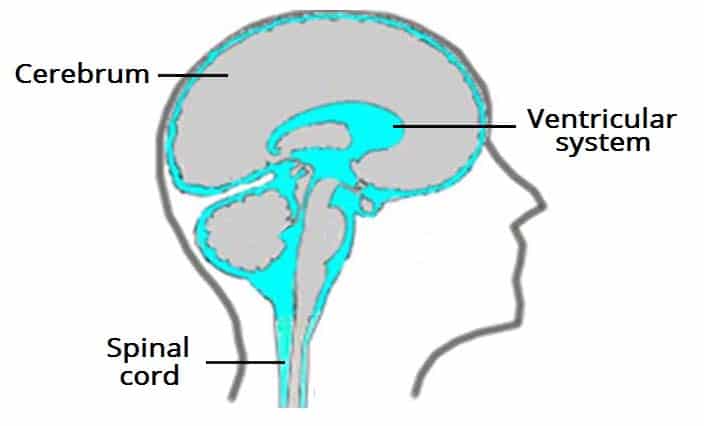
One error that we make in considering the ventricular system of the human brain is that it is static and that the ventricles do not modify over time. This is not true and evidence of this can be seen even before birth by viewing a prenatal ultrasound where they are relatively small. What is the ventricular system? Simply put, it is a communicating network of cavities filled with cerebrospinal fluid (CSF) located within the brain parenchyma (pictured at right). It is made up of two (2) lateral ventricles, the third ventricle (the site used for an endoscopic third ventriculostomy or ETV), the cerebral aqueduct, and the fourth ventricle. Additionally, the choroid plexuses - responsible for the production of CSF - are located within the ventricular system.

The the downside of this dynamic ability is the fact that the ventricles tend to grow larger as we age because of a decrease in the number of brain cells. The good news about this increase in size (except in extreme cases) is that the actual size of the ventricular system appears to have little affect on the function of the brain.

One interesting fact that I wasn't aware of until I began reading for this blog is the fact that each time our heart beats a shock wave is produced that changes both the shape and size of the ventricles. This dynamic change can be monitored using magnetic resonance imaging (MRI) which pinpoints a specific sequence.

II. What are slit ventricles


Simply put, they are small ventricles (often so small that they are barely visible on either a computerized-axial tomography (CT) scan (pictured at left) or an MRI. They can occur following a severe head injury or a viral infection of the brain. In either case, the brain becomes so swollen that fluid is literally pushed from them.

Another phenomena that is of interest to the medical community is the fact that they are often seen following cerebrospinal fluid (CSF) diversion such as accomplished by a implant of a shunt. Interestingly that condition (decompression of the ventricular system) is one of the benchmarks of a properly functioning shunt system and is confirmed by comparing a post-implant CT or MRI with one done prior to the implant. In some cases, this decrease in the size of the ventricular system results in a "siphoning" effect. How the brain physically reacts to this siphoning is largely dependent on the patient's age. In young children, the brain is still very watery and easily changes shape. Unfortunately this effect is very unpredictable and and very little can be done to affect it one way or the other.

It is important to understand that small / slit ventricles do not always cause symptoms -- some patients are asymptomatic (showing none of the usual symptoms) and go for long periods never knowing they have a problem. Typical symptoms associated with small / slit ventricles include: 1) Headache; 2) Lethargy that can vary in intensity from mild to debilitating; 3) Nausea and vomiting. These symptoms can be intermittent and the headache is often relieved by laying down.

III. What is slit ventricle syndrome

Slit ventricle syndrome (SVS) is a grouping of symptoms which, for example, can occur in a patient in a patient with a functional shunt, but whose brain has lost some of its elasticity. As I mentioned above, they might experience headache, vomiting, and drowsiness / lethargy which, interestingly enough, are the same symptoms experienced when a person with hydrocephalus is having a shunt malfunction. One thing that makes SVS symptoms slightly different is the fact that they are VERY cyclical in nature often with like clockwork. As an example, the patient can be perfectly fine for three (3) weeks and then become violently ill, sleep for 24-hours, and then be "normal" again. Generally, there is no cause for the symptoms experienced, although a minor viral infection has been known to act as a triggering mechanism.

Under normal circumstances, the shunt drains the CSF from the ventricles to another part of the body - such as the peritoneal cavity - for reabsorption. In certain patients, however, this causes the ventricle(s) to collapse. In a person who is shunted this cause the ventricle to collapse on the ventricular catheter blocking it off and preventing the outflow of CSF and causes the appearance of symptoms. Due to the fact that the brain has lost some of it's elasticity (due to the original condition that caused the hydrocephalus) the ventricles are slow to return to their normal size causing symptoms to persist.

IV. How is SVS treated

Once symptoms have manifested themselves, the most important thing to determine is whether the shunt is functioning properly and not having intermittent blockages due to a malfunction within the system. In many cases, this can be as easy as measuring the intracranial pressure (ICP) within the skull. Once the functionality of the shunt is assessed, the next step is to consider a volume expansion procedure such as a subtemporal decompression. This procedure involves removing a small section of bone from the skull which allows the ventricle - and the catheter - to expand and relieves the excess pressure.

Saturday, September 23, 2017

Hydrocephalus and college: dreaming the possible dream (Part 2 of 2)


III. Who needs to know (about your hydrocephalus)

First and foremost, you should tell your new roommate(s) about your hydrocephalus simply because they are the one person you will be around the most during your academic career. It's best to inform them about it within the first few days after classes begin so that they will know what to expect and, more importantly, how they can help you in the event a situation arises where you need their assistance. It is also a good rule of thumb to let your resident advisor or guidance counselor about your hydrocephalus because they can guide you about who - if anyone - needs to be aware of your hydrocephalus. As you explain your hydrocephalus to your roommate and/or RA/counselor, make them aware of the signs and symptoms of a shunt malfunction so that they can assess your condition if you're unable to do it for yourself. It is also a good idea to make them aware of where you keep the file folder/notebook with information relevant to your condition. Lastly, ask your roommate or RA/counselor if they would be comfortable accompanying you to the hospital in the event a problem occurs. This will facilitate notification of your family and assure treatment is rendered in a timely manner.

Whether or not you inform your professor(s) about your hydrocephalus is a decision best made once made in the first few days of a new quarter / semester. Even if you have previously registered with your school's disability resource center (DRC), your instructors aren't made aware of your condition unless you decide to tell them.

IV. Tips and advice

Academics


I could write an entire blog about academics and those of us with hydrocephalus but one of the important thing to remember is - while researching schools you wish to attend - is to determine what services they offer for students with a learning disability. If you had an Individualized Education Program (IEP) in place during high school, your team should be meeting with you to assist in negotiating your transition.

Medical experts recommend that the beginning of your college years might also be a good time to schedule a neuropsychological examination. such an exam can pinpoint your learning strengths (and weaknesses) as well as guide you on what classes might be the best tailored to your learning style and ability.

As I stated above, make sure to contact your school's DRC  and let them know that you have hydrocephalus.  The staff in the DRC can assist you with any accommodations you might need such as extra time to complete exams or tutoring services.

Broken tubing in a
ventriculo-peritoneal
shunt
Alcohol

Let's be real college students (for the most part) experiment with alcohol. Although there is no known correlation between being shunted and experiencing an adverse reaction to alcohol, studies have proven that drinking in excess is not good for anyone. This is especially true for those of us with hydrocephalus (and particularly if you are shunted). I say that because the symptoms associated with a hangover (headache, lethargy, nausea, and vomiting) are also seen in the event of a shunt failure. The key difference being the symptoms of a hangover normally subside after several hours; if they persist - and you have a shunt - you should seek medical attention to prevent a potentially life-threatening situation.

Consumption of alcohol can also adversely affect your medications. While some simply loose their effectiveness, others can result in extreme drowsiness and other potentially dangerous side effects. The best rule of thumb is: if you take medication(s), don't drink alcohol.

Headaches

As strange as it sounds, headaches are often times a fact of life for many young people. The combination of deadlines, finals, too much junk food, and irregular sleep patterns can trigger a headache, however, if you are hydrocephalic, such an event could potentially be life-threatening. Even for the most knowledgeable person with hydrocephalus, it can be difficult to differentiate between a regular headache and a headache resulting from a shunt malfunction and/or failure. As a general rule, if the headache improves after taking a couple of Tylenol and resting for a short time, it is not coming from your shunt or as a result of your hydrocephalus. If a headache persist (or you have that "gut feeling" that something is not right) seek medical attention because it's better to be safe than to be sorry.

Additional information: College and hydrocephalus